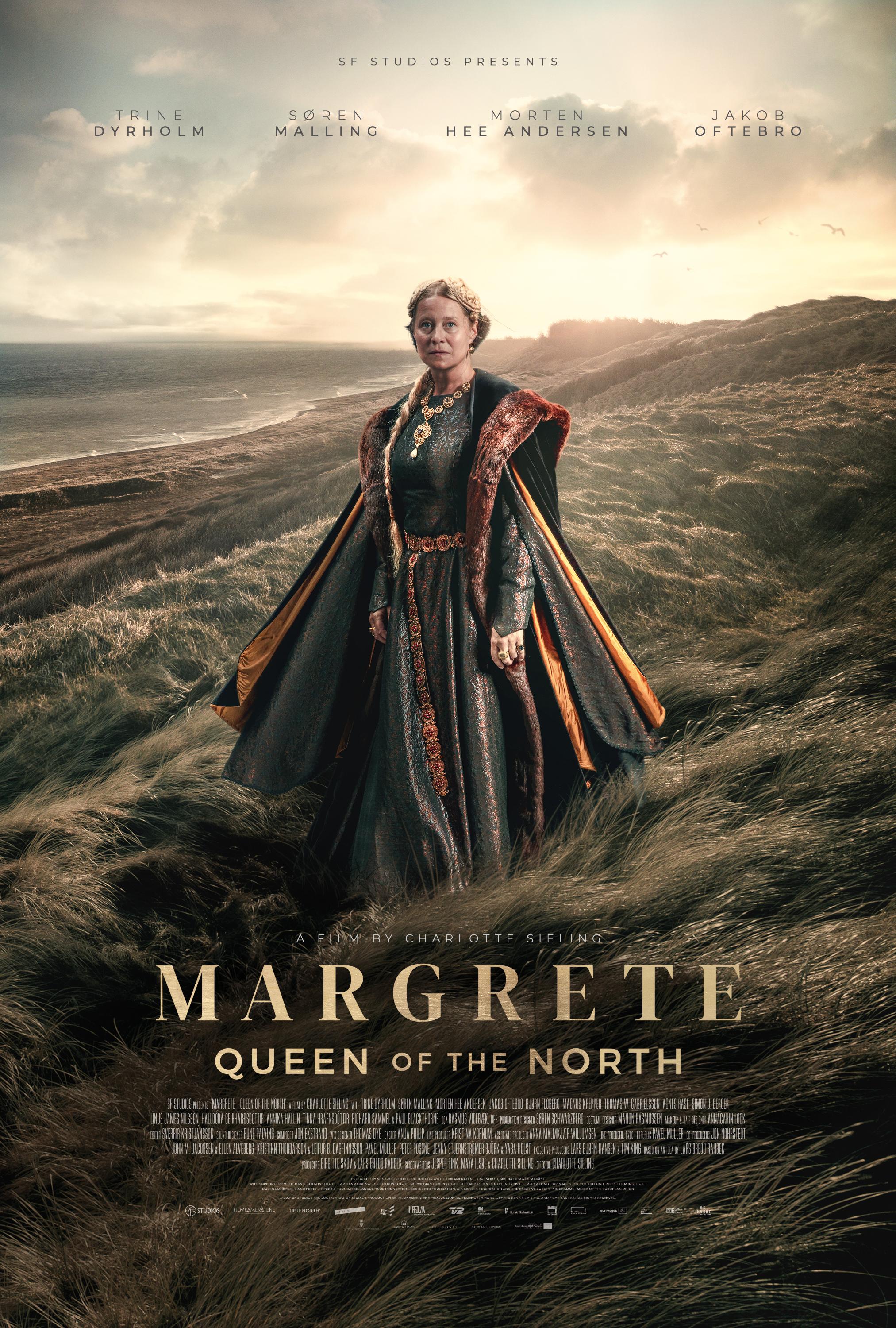
Unfortunately, it is not historically accurate. And then this story about a mother murdering (via burning) her innocent son to save the kingdom: what a morally corrupt and repugnant conclusion to the film. Also the pacing is usually slow and the story is not really well executed as well as poor understanding of the history of the Kalmar Union and its neighbours. Especially constructing all Germans as enemies and enemy country (there was no unified Germany then), although in reality she also had German allies and the Teutonic Order and the Hanse cities were enemies. And the story mixes up Hanse and Teutonic Order. I also wonder how French soldiers ended up in Scandinavia according to this story. But maybe it is too much to ask for more historical accuracy. I do not understand why they changed the real history. Where did this anti-German bias come from? Instead, we have basically a theatre play abundant with historical fabrications and derailments, e.g. Fictional story about the Teutonic Order which is accused of trying to conquer the whole of Scandinavia, although this Order was busy somewhere else at the time (fighting against Poland; interestingly Poland was one of the producers of this movie). Besides, the Kalmar Union itself was not accepted everywhere in Scandinavia. And according to her biographers, Margret was a very different person as portrayed in the movie. It could have been a better story. The life of Margret was full of interesting stuff. Why change it at all? I have seen better Scandinavian movies about the middle ages made and generally better Danish movies. Too.
Tingnan pa