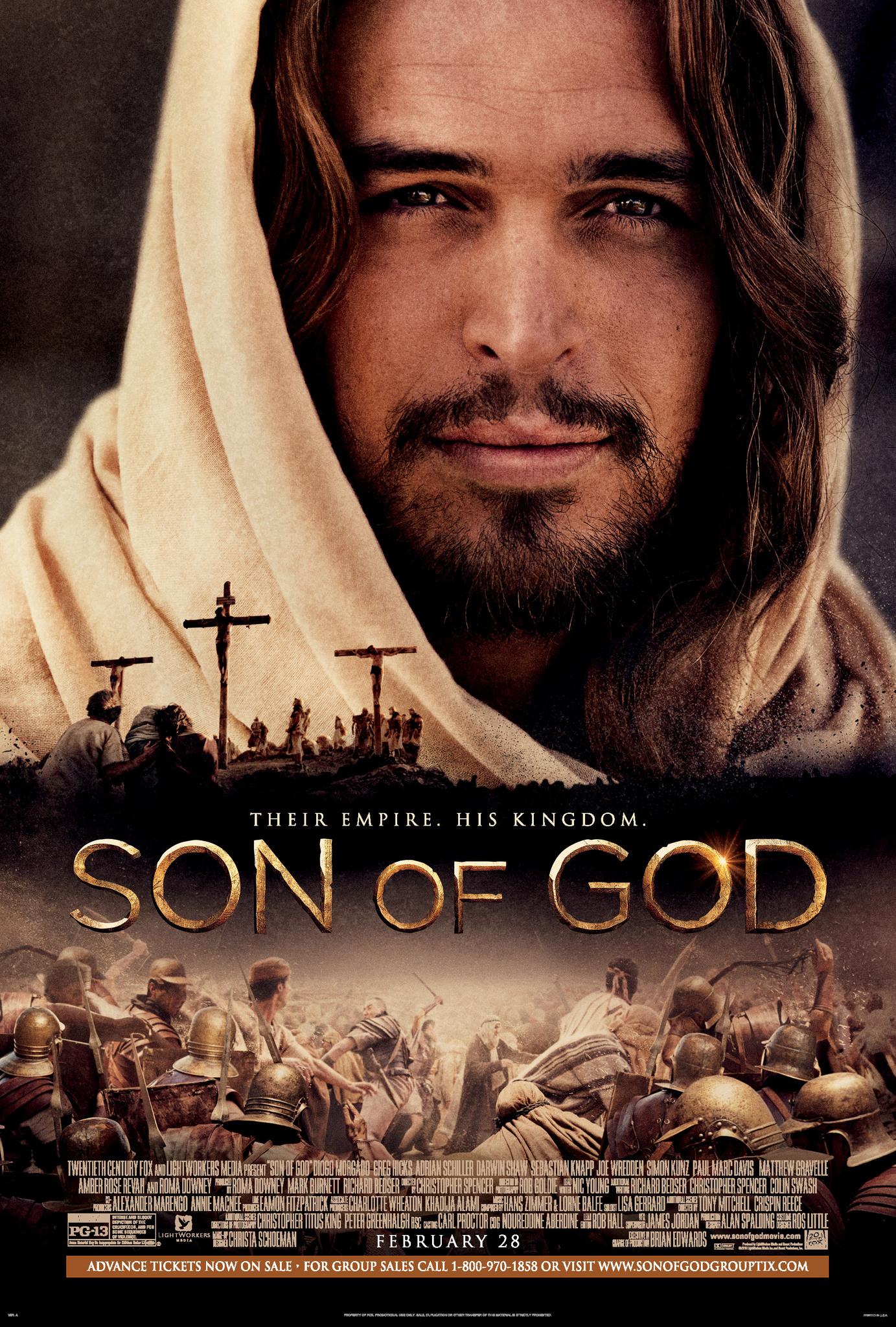
Fast paced, dynamic. Such a contrast to Zeffirelli's languid "Jesus of Nazareth". It is easy to understand why people were attracted to this itinerant preacher. A plus is that many who are too familiar with Gospel texts may be startled awake when they hear them in new settings or coupled in unfamiliar ways. Making Mary Magdalene a constant companion of the apostles is very significant. The passion scenes are rightfully graphic. But not like those in Gibson's film, "The Passion of Christ" which crossed the line and became "obscene" - i.e., never cutting away, left "off the scene," from the details that should be left to the viewers' imagination. Gibson's film made most viewers squirm, avert their eyes, or some even get physically ill. This film does not pull away from the horror of what is happening. But instead of causing repulsion, aversion, and the desire to escape from it all, it moves us to deep, deep compassion. And, like his own mother, we feel the desire to relieve the suffering we observe. The film has a completeness to it that goes beyond the end of the story. There is resurrection, the post resurrection appearances, the given mission and empowerment of the Spirit. At the end, as the disciples leave to fulfill that mission, those in the audience who feel they are disciples of Christ, leave inspired with a renewed sense of purpose and strength. Those who are not disciples of Jesus, may feel an invitation from their Creator to look inside and reflect on their own purpose and mission in life. The movie is a gift, a grace, for all who have "eyes to see and ears to hear."
عرض المزيد